
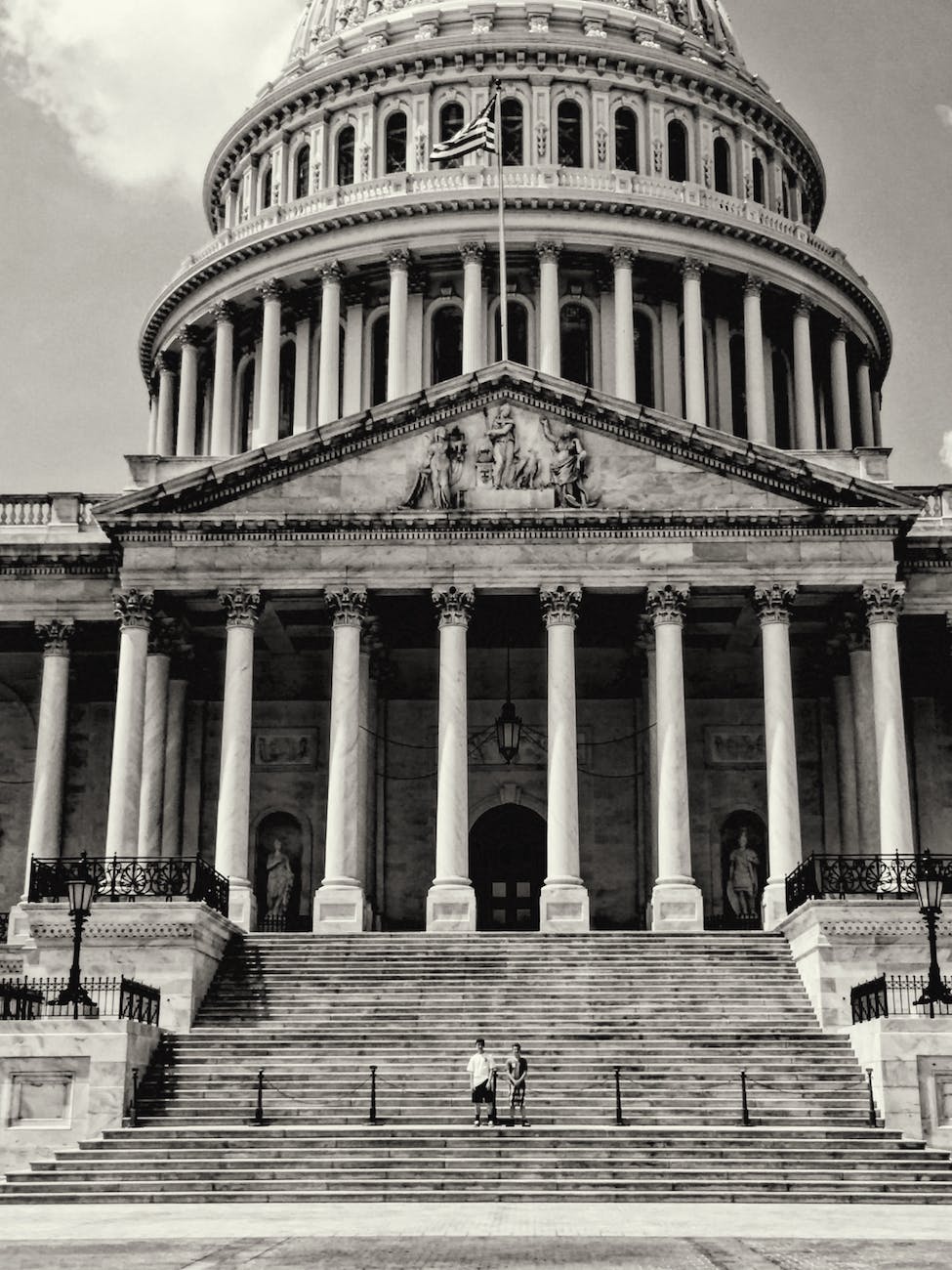
As the U.S. Congress convenes, the event is being dubbed “Crypto Week.” The House of Representatives is preparing to vote on a trio of bills. These bills could reshape the legal landscape for digital assets. The proposed legislation is set for a floor vote beginning July 14. It touches nearly every corner of the crypto regulatory puzzle. This includes stablecoins, agency jurisdiction, and central bank digital currencies (CBDCs).
These developments signal the most coordinated legislative action on crypto to date. For an industry long caught in regulatory uncertainty and enforcement-first policies, these bills offer both opportunities and challenges.
The GENIUS Act: A Framework for Stablecoin Issuance
The Guiding and Establishing National Innovation for U.S. Stablecoins Act, or GENIUS Act, cleared the Senate earlier this year and is now moving through the House. The bill proposes a clear federal framework for stablecoin issuance, requiring issuers to:
- Maintain 100% reserves (cash or cash equivalents),
- Implement anti-money laundering (AML) controls,
- Disclose proof of reserves, and
- Register either federally or through state-chartered institutions.
The bill is notable for balancing innovation with consumer protection. It allows non-bank entities to issue stablecoins if they meet transparency and reserve standards.
Proponents argue this will legitimize U.S. dollar-backed stablecoins and strengthen their role in global finance. Critics, however, worry the bill may entrench large financial institutions at the expense of smaller fintechs and decentralized alternatives.
For more, read the GENIUS Act.
The CLARITY Act: Defining Crypto Jurisdiction
The CLARITY Act (Digital Asset Market Clarity Act of 2025) has a specific aim. It seeks to tackle a key legal gray area in the industry. Who regulates digital assets?
Currently, the Securities and Exchange Commission (SEC) and Commodity Futures Trading Commission (CFTC) share overlapping jurisdiction. The SEC has maintained that most tokens are securities, while the CFTC claims oversight of commodities like Bitcoin and Ethereum.
The CLARITY Act would:
- Define which digital assets fall under the SEC’s jurisdiction as securities,
- Clarify that others (such as decentralized tokens with no active managerial control) fall under the CFTC,
- Establish a safe harbor for token developers who meet transparency standards.
The bill reflects growing bipartisan frustration with the SEC’s “regulation by enforcement” approach. This approach has resulted in major lawsuits against companies like Ripple, Coinbase, and Binance.
If enacted, the CLARITY Act could reduce legal uncertainty. It could also unlock innovation. Critics warn of underregulation if too many tokens escape securities classification.
You can read the Act here.
The Anti-CBDC Surveillance State Act: Halting a Digital Dollar
The third bill on the floor is the Anti-CBDC Surveillance State Act. It was introduced as a check on the Federal Reserve’s power to issue a central bank digital currency (CBDC).
The legislation would prohibit the Fed from:
- Issuing a CBDC directly to individuals,
- Using CBDCs to conduct monetary policy,
- Tracking or surveilling individual transactions.
Supporters argue that a digital dollar could lead to government overreach and financial surveillance, undermining civil liberties. Critics of the bill warn it could handicap the U.S. in the global race toward digital currency innovation. Countries like China and India are advancing their own CBDC projects.
The full bill text can be found on Congress.gov.
Industry and Investor Implications
Taken together, these bills represent the most comprehensive attempt to clarify crypto law through legislation rather than piecemeal enforcement. They signal that Congress is now actively engaging in crypto governance after years of deferral to regulators and courts.
If passed, the bills would:
- Bring regulatory clarity to stablecoin issuers and token developers,
- Create a dual-agency regime for oversight (CFTC and SEC),
- Provide legal guardrails that could make institutional participation more attractive,
- Signal that the U.S. is taking a pro-innovation stance, at least legislatively.
Be advised that regulators, like the SEC, may resist ceding authority without legal challenge.
Conclusion
Crypto Week on Capitol Hill could mark a turning point in the digital asset space. These bills will shape the conversation regardless of whether they become law. The focus is on regulating a multi-trillion dollar market that is evolving faster than Washington can legislate.
The stakes are high—not just for investors and builders, but for the U.S.’ place in the global financial system. Other countries are moving forward with frameworks for crypto assets and digital currencies. Meanwhile, America’s legal infrastructure is finally starting to catch up.
Staying informed and compliant in this evolving landscape is more critical than ever. Whether you are an investor, entrepreneur, or business involved in cryptocurrency, our team is here. We provide the legal counsel needed to navigate these exciting developments. If you believe we can assist, schedule a consultation here.