

Articles
-

The GENIUS Act: What Stablecoin Businesses Need to Do Now
Read More: The GENIUS Act: What Stablecoin Businesses Need to Do NowThe GENIUS Act introduces a new federal framework impacting businesses involved with stablecoins. Companies need to reassess their operations to comply with this regulation, considering varied implications depending on specific activities, such as issuing or accepting stablecoins. Key dates include January 18, 2027, when significant regulations take effect, and July 18, 2028, which imposes further…
-

This Week in Crypto Law (October 18, 2026)
Read More: This Week in Crypto Law (October 18, 2026)This week, courts and regulators tackled crypto under various legal frameworks. A federal court upheld a CFTC-Gemini settlement, while the OCC revealed that major banks impose restrictions on digital-asset businesses. In Illinois, litigation regarding a crypto tax accelerated, and USDC became the first classified significant e-money token in Europe. Additionally, a UK court ruled that…
-
This Week in Crypto Law (October 11, 2026)
Read More: This Week in Crypto Law (October 11, 2026)This week saw significant regulatory actions in the U.S. and Europe regarding cryptocurrency. The CFTC proposed a federal framework for leveraged crypto transactions and redefined gambling-related event contracts. In Europe, the ESMA urged compliance with regulations concerning noncompliant stablecoins and started plans for direct supervision of major crypto-asset service providers. Additionally, New York settled with…
-
This Week in Crypto Law (October 4, 2026)
Read More: This Week in Crypto Law (October 4, 2026)This week, significant legal and regulatory changes in the crypto space emerged, highlighting the scrutiny on crypto businesses in the U.S. and Europe. The Independent Community Bankers of America challenged the OCC’s new chartering rule, while the U.S. Treasury imposed sanctions on the A7 Network, linked to Russia and Iran. Congressional investigations also targeted Tether’s…
-
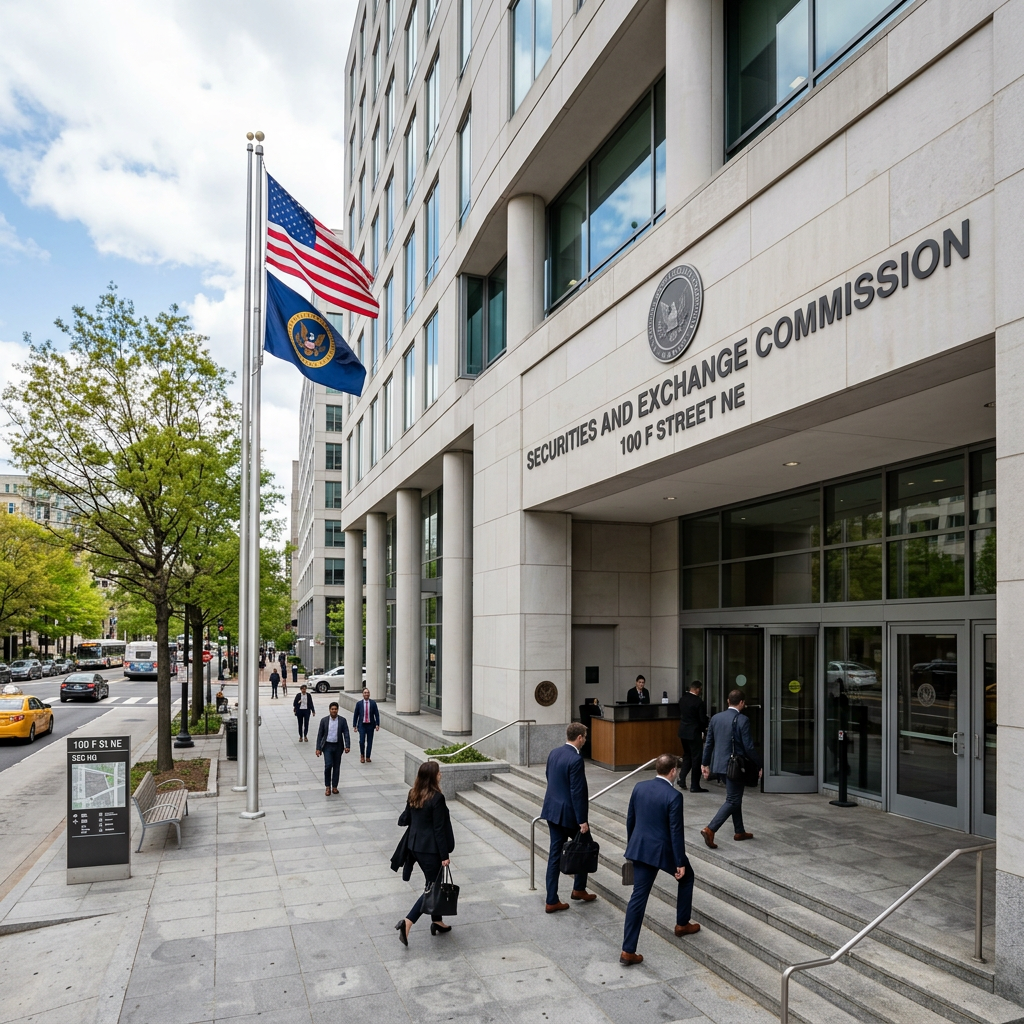
SEC Crypto Custody Proposal Could Expand Options for Advisers and Funds
Read More: SEC Crypto Custody Proposal Could Expand Options for Advisers and FundsOn October 1, 2026, the SEC proposed a framework for crypto asset custody, allowing limited adviser self-custody and conditional usage of state trust companies. Firms must assess implications before adopting new digital asset strategies, pending final approval.
-

A Crypto Project Hasn’t Delivered Your Tokens. What Can You Do?
Read More: A Crypto Project Hasn’t Delivered Your Tokens. What Can You Do?When navigating challenges after funding a crypto project through agreements like a SAFT, investors face critical decisions about waiting, negotiating new terms, or pursuing claims. The original agreement and its terms must be thoroughly reviewed to determine obligations, delivery triggers, and potential amendments. Investors should document their history with the project meticulously and consult legal…
-

SEC Crypto FAQs 2026: Token Buybacks, Staking & Securities
Read More: SEC Crypto FAQs 2026: Token Buybacks, Staking & SecuritiesOn September 25, 2026, the SEC’s Division of Corporation Finance released new FAQs clarifying how federal securities laws apply to crypto assets. Significant themes include distinguishing between developing and functional crypto systems, emphasizing that ongoing improvements may not constitute essential managerial efforts under the Howey test. Marketing statements can affect investment contract status, where aspirational…
-
This Week in Crypto Law (May 30, 2026)
Read More: This Week in Crypto Law (May 30, 2026)In the last week of May, global crypto regulation trends indicate a shift from rulemaking to enforcement and market design. Regulators in Europe, Asia, and the U.S. are now focusing on how digital assets integrate into existing financial systems. Key developments include Europe’s MiCA enforcement phase, the introduction of regulated perpetual futures by Coinbase in…
-
This Week in Crypto Law (May 23, 2026)
Read More: This Week in Crypto Law (May 23, 2026)The last week of May indicated a shift in crypto regulation, with significant legal disputes nearing resolution and a heightened focus on market structure and systemic risk. Blockchain.com filed for a U.S. IPO, reflecting renewed confidence in the market. The European Central Bank raised concerns over euro stablecoins’ adoption, cautioning about potential banking risks. Fenwick…
-
This Week in Crypto Law (May 16, 2026)
Read More: This Week in Crypto Law (May 16, 2026)This week in crypto law marks a significant shift as governments begin actively regulating digital assets rather than debating their existence. Key developments include the Senate advancing the CLARITY Act to clarify regulatory oversight, growing national security concerns shaping crypto regulation, and the SEC exploring tokenized stock trading. Additionally, the CFTC’s lawsuit against Minnesota highlights…