

SEC Actions
-
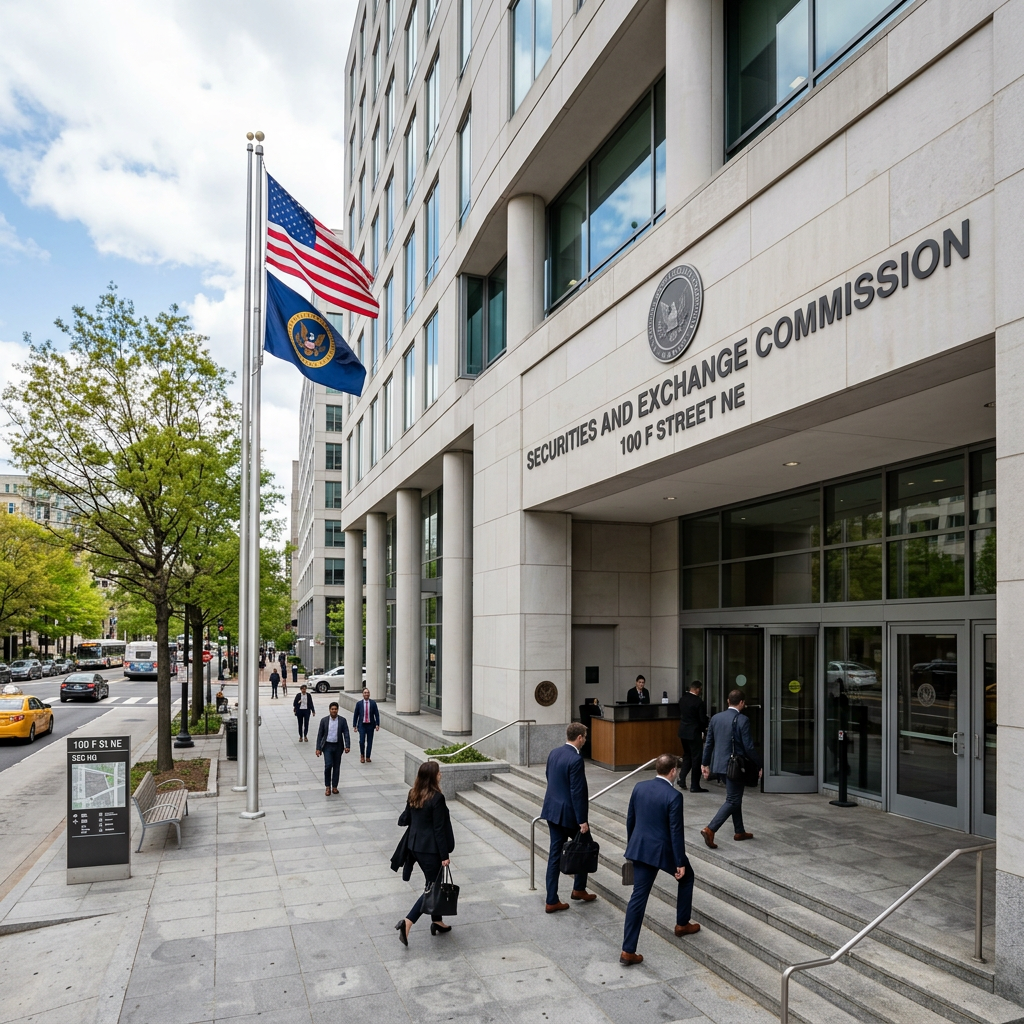
SEC Crypto Custody Proposal Could Expand Options for Advisers and Funds
Read More: SEC Crypto Custody Proposal Could Expand Options for Advisers and FundsOn October 1, 2026, the SEC proposed a framework for crypto asset custody, allowing limited adviser self-custody and conditional usage of state trust companies. Firms must assess implications before adopting new digital asset strategies, pending final approval.
-

SEC Crypto FAQs 2026: Token Buybacks, Staking & Securities
Read More: SEC Crypto FAQs 2026: Token Buybacks, Staking & SecuritiesOn September 25, 2026, the SEC’s Division of Corporation Finance released new FAQs clarifying how federal securities laws apply to crypto assets. Significant themes include distinguishing between developing and functional crypto systems, emphasizing that ongoing improvements may not constitute essential managerial efforts under the Howey test. Marketing statements can affect investment contract status, where aspirational…
-
This Week in Crypto Law (May 23, 2026)
Read More: This Week in Crypto Law (May 23, 2026)The last week of May indicated a shift in crypto regulation, with significant legal disputes nearing resolution and a heightened focus on market structure and systemic risk. Blockchain.com filed for a U.S. IPO, reflecting renewed confidence in the market. The European Central Bank raised concerns over euro stablecoins’ adoption, cautioning about potential banking risks. Fenwick…
-
This Week in Crypto Law (Apr. 12, 2026)
Read More: This Week in Crypto Law (Apr. 12, 2026)This week in crypto law marked a significant transition from experimentation to integration. Federal courts affirmed regulatory authority over crypto, with a judge blocking Arizona’s criminal case against Kalshi, a prediction market platform. Kraken gained direct Federal Reserve access, prompting debates on systemic risks. Wisconsin enacted regulations targeting crypto ATMs to enhance consumer protection. The…
-
This Week in Crypto Law (Mar. 15, 2026)
Read More: This Week in Crypto Law (Mar. 15, 2026)The past week delivered major developments across crypto litigation, regulation, and capital markets. From a high-profile defamation suit involving Binance to new guidance from the U.S. Securities and Exchange Commission, regulators and courts continue to shape the legal framework governing digital assets. Below are the key stories defining crypto law this week. 1. Binance Sues…
-
This Week in Crypto Law (Mar. 1, 2026)
Read More: This Week in Crypto Law (Mar. 1, 2026)A federal court has blocked Binance’s attempt to push token-sale lawsuits into arbitration, allowing investors to proceed in federal court. Turkey has proposed a new tax framework for cryptocurrencies, including a 10% tax on gains. A court dismissed liability claims against Uniswap, emphasizing the liability distinction for decentralized platforms. Kraken’s banking arm gained access to…
-
This Week in Crypto Law (Feb. 28, 2026)
Read More: This Week in Crypto Law (Feb. 28, 2026)The Clarity Act has a high likelihood of passing soon, according to Ripple’s CEO, with key components debated, particularly around stablecoin structures. A March 1 deadline set by the White House aims to resolve these issues, potentially facilitating comprehensive digital asset legislation. The SEC has eased capital treatment for certain stablecoins, enhancing their appeal for…
-
SEC’s Approach to Digital Assets: Key Insights from Paul Atkins
Read More: SEC’s Approach to Digital Assets: Key Insights from Paul AtkinsIn Paul Atkins’ speech, “The SEC’s Approach to Digital Assets,” he indicates a shift in the SEC’s regulatory stance, from strict enforcement to embracing digital asset innovation while prioritizing market integrity. He introduces a taxonomy for digital assets, distinguishing between securities and non-securities based on their functionality. Atkins highlights that tokens might evolve from investment…
-

Impact of the Ripple-SEC Settlement on the Crypto Industry
Read More: Impact of the Ripple-SEC Settlement on the Crypto IndustryOn August 7, 2025, the SEC and Ripple Labs concluded their legal dispute, dismissing appeals related to the classification of XRP sales. The joint stipulation reflects a mutual decision to avoid further litigation. This case has implications for crypto regulation, offering insights on token classification and the limits of enforcement. Ripple can now operate without…
-
Project Crypto: A New Era in U.S. Financial Regulation
Read More: Project Crypto: A New Era in U.S. Financial RegulationIn a significant speech, SEC Chairman Paul Atkins proposed “Project Crypto,” a regulatory initiative aimed at positioning the U.S. as a leader in crypto markets. The project focuses on clarifying token classifications, supporting tokenized securities, modernizing custody rules, and facilitating innovation while reconsidering financial intermediaries. It aims to reshape U.S. financial regulation for blockchain and…