

Insights
-

California’s First DFAL Crypto Enforcement: Coinme’s Case Explained
Read More: California’s First DFAL Crypto Enforcement: Coinme’s Case ExplainedOn June 25, 2025, the California DFPI enforced the Digital Financial Assets Law against Coinme, Inc. for violating transaction limits and disclosure requirements. Coinme must pay $51,700 in restitution and a $300,000 penalty while complying with new regulations. This marks increased scrutiny in the crypto sector aimed at consumer protection.
-

SEC’s New Guidelines for Crypto ETP Disclosures Explained
Read More: SEC’s New Guidelines for Crypto ETP Disclosures ExplainedOn July 1, 2025, the SEC issued non-binding guidance outlining disclosure expectations for crypto asset ETPs. It aims to enhance transparency for investors by detailing requirements for risk disclosures, NAV calculations, service provider roles, and compliance. This guidance seeks to standardize the registration process and mitigate concerns surrounding crypto markets.
-
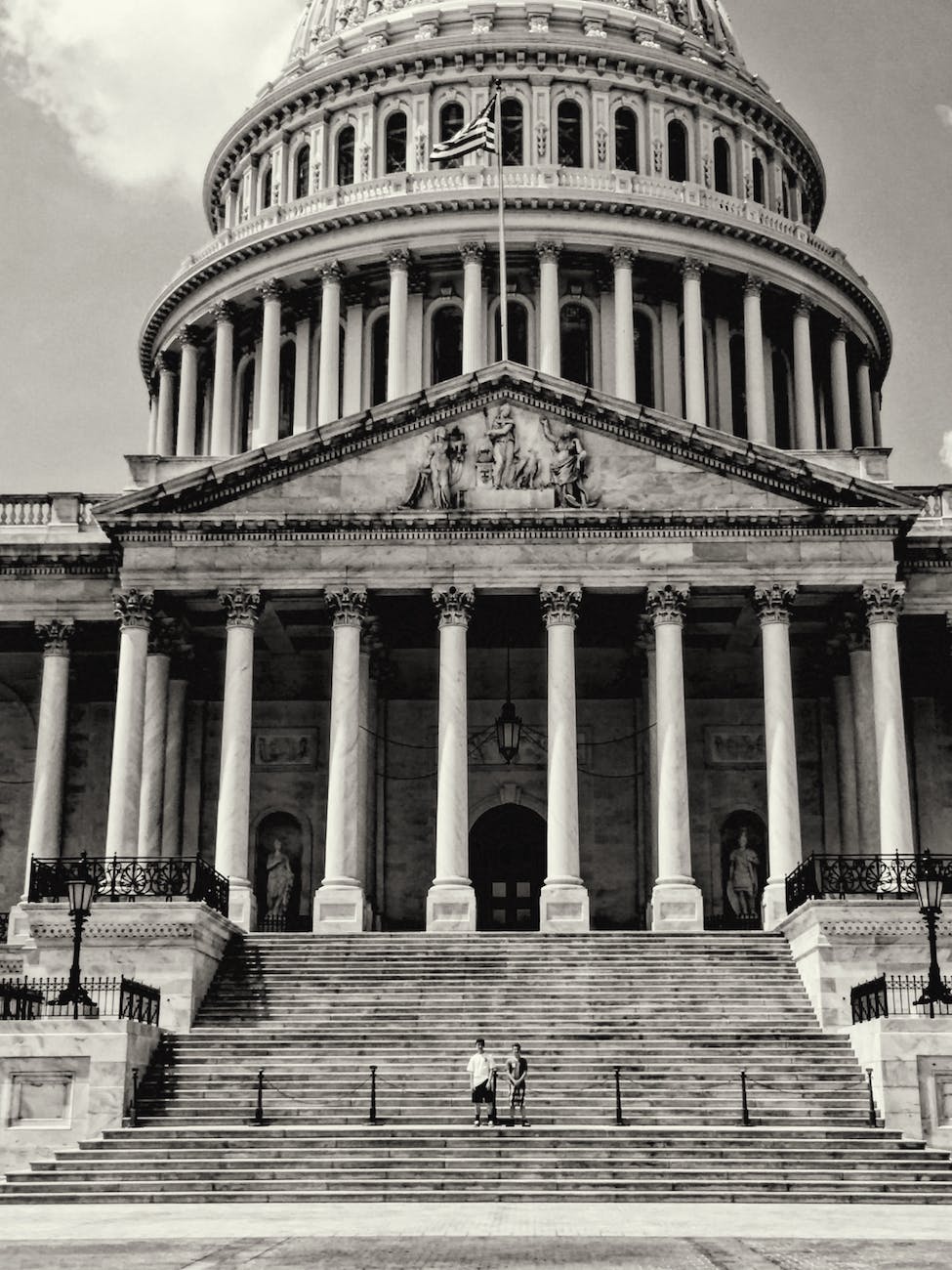
Crypto Week: Congress Votes on Key Bills for Digital Assets
Read More: Crypto Week: Congress Votes on Key Bills for Digital AssetsAs Congress convenes “Crypto Week,” the House prepares to vote on three pivotal bills: the GENIUS Act for stablecoins, the CLARITY Act for digital asset jurisdiction, and the Anti-CBDC Surveillance State Act against a central digital dollar. These legislative efforts aim to resolve regulatory uncertainties, foster innovation, and enhance consumer protection in the crypto industry.
-

CSBS Advisory on Virtual Currency and TNW Explained
Read More: CSBS Advisory on Virtual Currency and TNW ExplainedOn June 26, 2025, the Conference of State Bank Supervisors (CSBS) issued its first advisory guidance under the Money Transmission Modernization Act (MTMA), offering clarity on how virtual currency should be treated in calculating a money transmitter’s tangible net worth (TNW). The guidance is part of CSBS’s ongoing effort to promote uniform state supervision for…
-

Are Tokenized Crypto Securities Still Securities?
Read More: Are Tokenized Crypto Securities Still Securities?In simple terms, tokenized securities are traditional financial assets—like stocks, bonds, or funds—represented as digital tokens on a blockchain. Instead of paper certificates or centralized databases, ownership is tracked and transferred using smart contracts and distributed ledger technology. They promise faster settlements, more transparent records, and access to global capital. But one question still lingers:…
-

Trump’s Executive Order: A New Era for Blockchain in the U.S.
Read More: Trump’s Executive Order: A New Era for Blockchain in the U.S.President Trump’s executive order aims to establish the U.S. as a leader in cryptocurrency and blockchain. It emphasizes economic liberty, supports dollar-backed stablecoins, ensures fair banking access, and introduces a President’s Working Group for regulatory clarity. The order rejects central bank digital currencies, enabling a promising future for digital assets in the U.S.