

News
-

Impact of the Ripple-SEC Settlement on the Crypto Industry
Read More: Impact of the Ripple-SEC Settlement on the Crypto IndustryOn August 7, 2025, the SEC and Ripple Labs concluded their legal dispute, dismissing appeals related to the classification of XRP sales. The joint stipulation reflects a mutual decision to avoid further litigation. This case has implications for crypto regulation, offering insights on token classification and the limits of enforcement. Ripple can now operate without…
-

Roman Storm’s Tornado Cash Verdict: What It Means for Crypto
Read More: Roman Storm’s Tornado Cash Verdict: What It Means for CryptoOn August 6, 2025, Roman Storm, co-founder of Tornado Cash, received a mixed verdict from a federal jury, convicting him only of operating an unlicensed money transmitting business. Major charges for money laundering and sanctions evasion resulted in a deadlock, raising questions on the legal liability of software developers in crypto.
-

CFTC Approves Spot Crypto Trading on Registered Exchanges
Read More: CFTC Approves Spot Crypto Trading on Registered ExchangesOn August 4, 2025, the CFTC announced the approval of spot crypto trading on federally registered exchanges, marking a significant regulatory shift towards integrating digital assets with traditional finance. This initiative, in collaboration with the SEC, aims to enhance consumer protection, institutional access, and market integrity, creating a more coherent regulatory framework.
-

Project Crypto: A New Era in U.S. Financial Regulation
Read More: Project Crypto: A New Era in U.S. Financial RegulationIn a significant speech, SEC Chairman Paul Atkins proposed “Project Crypto,” a regulatory initiative aimed at positioning the U.S. as a leader in crypto markets. The project focuses on clarifying token classifications, supporting tokenized securities, modernizing custody rules, and facilitating innovation while reconsidering financial intermediaries. It aims to reshape U.S. financial regulation for blockchain and…
-

U.S. Digital Asset Policy: Key Recommendations from the Working Group
Read More: U.S. Digital Asset Policy: Key Recommendations from the Working GroupOn July 30, 2025, the President’s Working Group on Digital Asset Markets presented a fact sheet to position the U.S. as a leader in digital finance. The recommendations include enhancing regulatory clarity, fast-tracking rulemaking, and modernizing banking practices, while reaffirming opposition to U.S. central bank digital currency, aiming to promote innovation and protect investors.
-

Senate Committee Proposes Digital Asset Regulations
Read More: Senate Committee Proposes Digital Asset RegulationsThe U.S. Senate Committee on Banking has released a Discussion Draft to clarify regulations for digital assets, aiming for consumer protection and financial stability. Key aspects include defining digital assets, clarifying SEC and CFTC jurisdiction, establishing stablecoin regulations, enhancing consumer disclosures, and ensuring custodial practices to prevent failures. The draft opens pathways for formal legislative…
-

Understanding the ASIC v Wallet Ventures Decision on Digital Assets
Read More: Understanding the ASIC v Wallet Ventures Decision on Digital AssetsOn July 24, 2025, the Full Federal Court of Australia dismissed the ASIC appeal in ASIC v Wallet Ventures Pty Ltd, affirming that Finder Wallet’s “Finder Earn” does not qualify as a “debenture” under the Corporations Act 2001, thus exempting it from licensing. This ruling impacts regulatory clarity for crypto-asset products.
-

Implications of SEC’s Crypto Staking Scrutiny for Providers
Read More: Implications of SEC’s Crypto Staking Scrutiny for ProvidersThe SEC has intensified scrutiny on crypto staking, arguing that certain programs may be unregistered securities. A recent lawsuit against Coinbase indicates a focus on how staking services are marketed rather than the staking itself. This regulatory shift complicates compliance for both centralized and decentralized providers as firms reassess their strategies amid evolving legal standards.
-
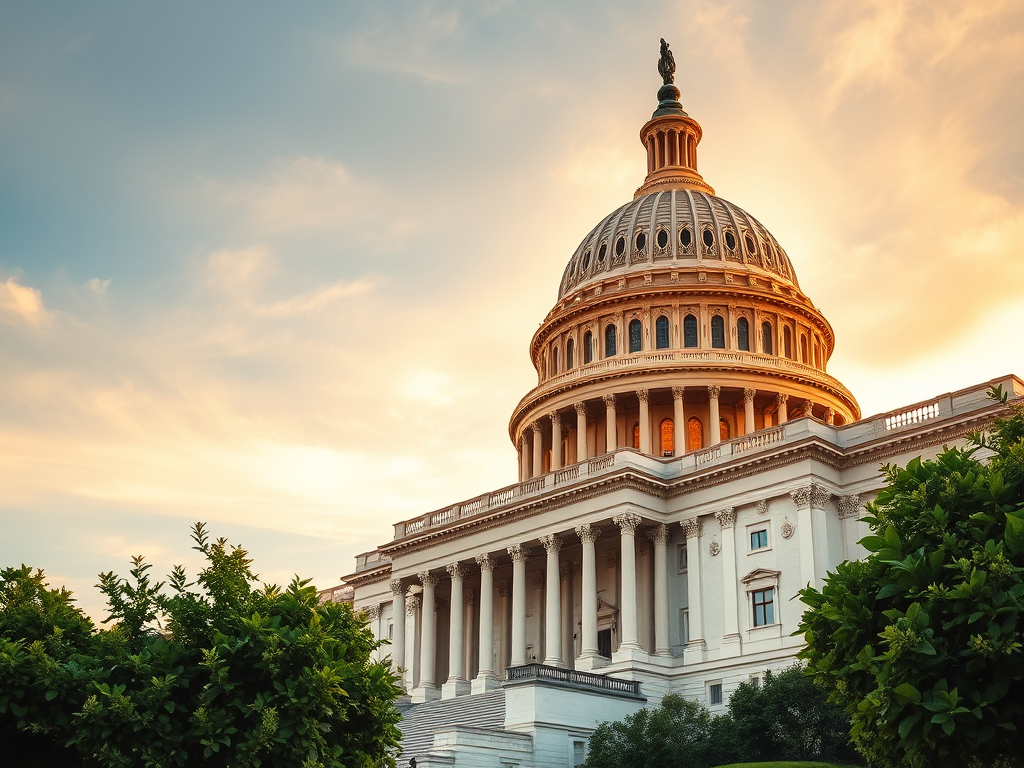
House Passes CLARITY Act: Impacts on Digital Assets and Regulations
Read More: House Passes CLARITY Act: Impacts on Digital Assets and RegulationsOn July 17, 2025, the U.S. House passed H.R. 3633, the Digital Asset Market Clarity Act, aiming to establish regulatory structure for digital assets. It defines roles for the CFTC and SEC, introduces clarity on digital commodities vs. securities, and includes provisions for stablecoins and AML compliance. The legislation signifies a shift towards legislative clarity…
-

Understanding the GENIUS Act: U.S. Stablecoins Revolution
Read More: Understanding the GENIUS Act: U.S. Stablecoins RevolutionThe GENIUS Act was enacted on July 18, 2025, establishing the first federal framework for regulating payment stablecoins in the U.S. It requires issuers to maintain 1:1 reserves, comply with consumer protections, and undergo audits. The Act aims to enhance regulatory clarity, consumer safety, and the dollar’s dominance in digital transactions.