

CFTC
-

Navigating CFTC Regulations for Crypto Funds
Read More: Navigating CFTC Regulations for Crypto FundsU.S. regulators are classifying digital assets like Bitcoin and Ethereum as commodities, reshaping the regulatory landscape for crypto funds. Managers may need to register as Commodity Pool Operators and Commodity Trading Advisors, complying with CFTC and NFA rules, which include stringent registration and reporting requirements, regardless of exemptions.
-

Understanding SEC’s Staking Regulations for Crypto
Read More: Understanding SEC’s Staking Regulations for CryptoThe SEC’s staff statements from May and August 2025 clarify that certain protocol staking activities on PoS blockchains may not be classified as securities. However, the guidance is limited, specifically excluding staking arrangements with active third-party involvement or yield generation. DAO governance staking remains unaddressed, requiring careful legal analysis for compliance.
-

CFTC Approves Spot Crypto Trading on Registered Exchanges
Read More: CFTC Approves Spot Crypto Trading on Registered ExchangesOn August 4, 2025, the CFTC announced the approval of spot crypto trading on federally registered exchanges, marking a significant regulatory shift towards integrating digital assets with traditional finance. This initiative, in collaboration with the SEC, aims to enhance consumer protection, institutional access, and market integrity, creating a more coherent regulatory framework.
-

U.S. Digital Asset Policy: Key Recommendations from the Working Group
Read More: U.S. Digital Asset Policy: Key Recommendations from the Working GroupOn July 30, 2025, the President’s Working Group on Digital Asset Markets presented a fact sheet to position the U.S. as a leader in digital finance. The recommendations include enhancing regulatory clarity, fast-tracking rulemaking, and modernizing banking practices, while reaffirming opposition to U.S. central bank digital currency, aiming to promote innovation and protect investors.
-

Senate Committee Proposes Digital Asset Regulations
Read More: Senate Committee Proposes Digital Asset RegulationsThe U.S. Senate Committee on Banking has released a Discussion Draft to clarify regulations for digital assets, aiming for consumer protection and financial stability. Key aspects include defining digital assets, clarifying SEC and CFTC jurisdiction, establishing stablecoin regulations, enhancing consumer disclosures, and ensuring custodial practices to prevent failures. The draft opens pathways for formal legislative…
-
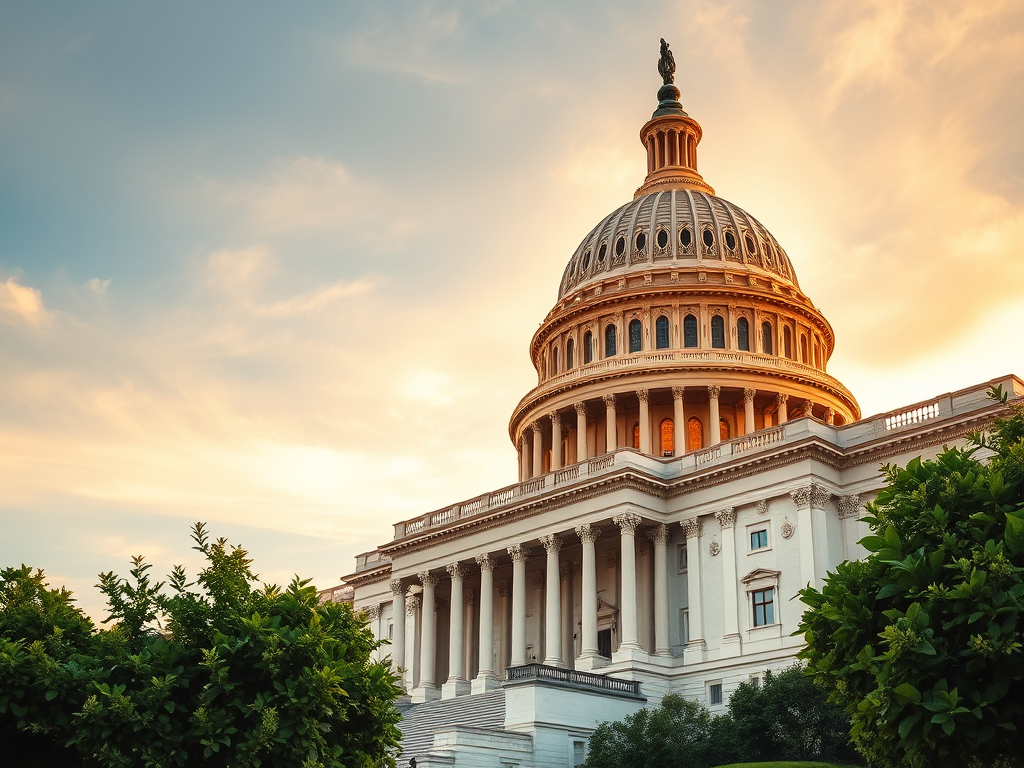
House Passes CLARITY Act: Impacts on Digital Assets and Regulations
Read More: House Passes CLARITY Act: Impacts on Digital Assets and RegulationsOn July 17, 2025, the U.S. House passed H.R. 3633, the Digital Asset Market Clarity Act, aiming to establish regulatory structure for digital assets. It defines roles for the CFTC and SEC, introduces clarity on digital commodities vs. securities, and includes provisions for stablecoins and AML compliance. The legislation signifies a shift towards legislative clarity…
-

The Future of Digital Assets: Lummis Chairs New Subcommittee
Read More: The Future of Digital Assets: Lummis Chairs New SubcommitteeU.S. Senator Cynthia Lummis has been appointed chair of the Senate Banking Subcommittee on Digital Assets, highlighting Congress’s commitment to digital finance. The subcommittee will pursue bipartisan legislation and regulate financial agencies while promoting U.S. leadership in blockchain and cryptocurrency, aiming for a balanced approach between innovation and consumer protection.
-

Transparent Illusion: The Discrepancy in Polymarket’s Volume
Read More: Transparent Illusion: The Discrepancy in Polymarket’s VolumeThe recent surge in prediction markets has coincided with the upcoming presidential election, as those seeking a supplement to traditional polling look to new methodologies. As election day draws closer, established prediction markets have seen their volumes skyrocket, while fresh players are jumping in to launch their own platforms. This sudden influx of companies offering…
-

CFTC Sues KuCoin
Read More: CFTC Sues KuCoinINTRODUCTION On March 26, 2024, the Commodity Futures Trading Commission (CFTC), brought a civil enforcement action in the U.S. District Court for the Southern District of New York against the group of entities it argues collectively operate as the centralized digital asset exchange KuCoin. The CFTC claims that KuCoin violated the Commodity Exchange Act (CEA)…